Bitcoin Trades 24/7, So When Is It Most Volatile? A Session Guide for Asian Traders
Bitcoin never closes, but its volatility is not spread evenly. US data releases, the US stock open, funding rate settlements and weekends are common volatile windows. This guide lists the key times of day in UTC+8.
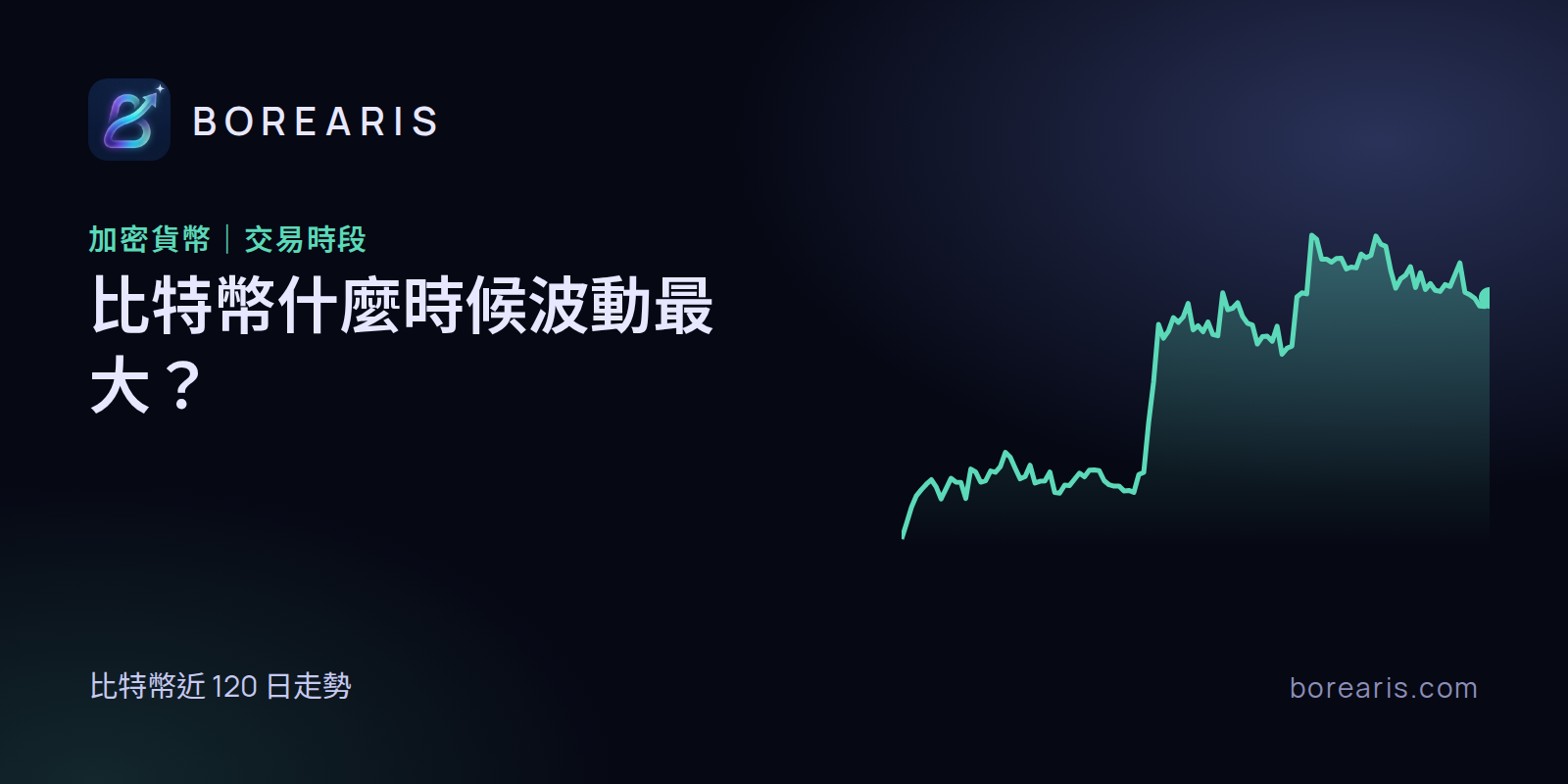
Bitcoin and Ethereum trade 7 days a week, 24 hours a day, with no open or close. That does not mean every hour is the same: some stretches are quiet, others can move several percent in minutes. Here are the key times in UTC+8.
1. Major US data releases
US data such as nonfarm payrolls and CPI comes out at 21:30 UTC+8 in winter time. Crypto has become more linked to US stocks and the dollar, so Bitcoin often swings sharply when the numbers hit.
2. Around the US stock open
US stocks open at 22:30 UTC+8 in winter time. In the first hour or two after the open, money is most active, and Bitcoin volume and volatility usually rise with it.
3. Around funding rate settlements
On many large exchanges, perpetual futures settle funding every 8 hours, commonly at 08:00, 16:00 and 00:00 UTC+8. Position adjustments around settlement can cause brief swings. Times vary between exchanges, so check your own platform.
4. Weekends
Traditional markets are closed at weekends and volume is usually lower. With thin volume, one large order can push price further than usual, so sharp spikes sometimes happen and get corrected in the Monday Asian session.
5. The Asian morning is usually calmer
From morning to midday UTC+8, most US and European traders are offline and Bitcoin volatility is usually lower. It is a better time to observe and plan than to chase price.
How to use this
- Short-term traders: most of the movement is in the evening, so be extra careful with risk around data releases and the US open
- Swing traders: you do not need to watch the screen; let price alerts notify you at key levels
- Always use a stop loss: a 5% daily move in crypto is not unusual, so size positions more conservatively than for gold or forex
For daily key levels in Bitcoin and Ethereum, see the Bitcoin analysis page. For release times of major data, see the economic calendar. Download the Borearis app to set price alerts instead of watching all night.
Borearis Research Team · For information only, not investment advice. Trading involves risk.